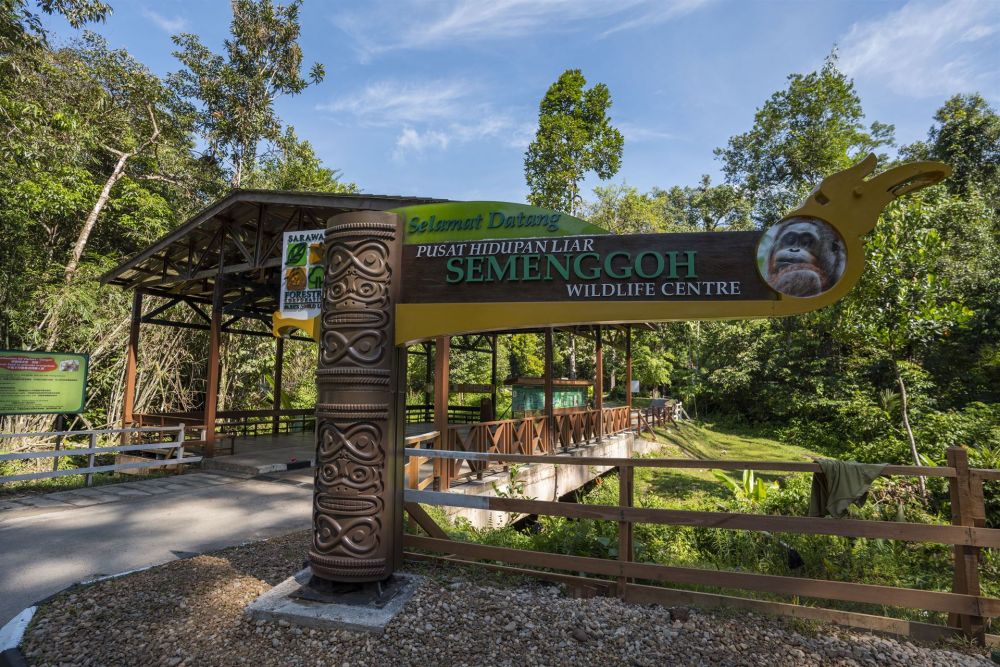
Tucked 24 kilometers south of Kuching in the heart of Malaysian Borneo, Semenggoh Nature Reserve is one of Southeast Asia’s most ethical and awe-inspiring wildlife destinations. Whether you’re a nature enthusiast, a wildlife photographer, or a traveler looking for a meaningful experience beyond the typical tourist circuit, a visit to Semenggoh offers the rare privilege of watching semi-wild orangutans in their natural rainforest habitat. This complete 2026 guide covers everything you need to plan your visit — from ticket prices and feeding times to insider tips that will help you make the most of every moment.
What Is Semenggoh Nature Reserve?
Established in 1975, the Semenggoh Wildlife Centre was created to care for wild orangutans that were injured, orphaned, or previously kept as illegal pets. Over the decades, the program evolved into one of the most successful orangutan rehabilitation initiatives in the world. Today, approximately 30 to 40 semi-wild orangutans roam freely within the reserve’s 650 hectares of protected tropical rainforest, including second and third-generation offspring born in the wild to rehabilitated mothers.
Unlike a zoo, there are no fences or cages here. The orangutans roam wherever they wish across the canopy and only return to designated feeding platforms if natural food is scarce in the forest. This independence is a testament to the program’s success — and a reminder that any sighting you get is a genuine privilege, not a guarantee.
Beyond orangutans, the reserve is also home to hornbills, crocodiles, and honey bears, and features a botanical research center with a picturesque bamboo garden and floating pavilion. There is also an Orangutan Museum where visitors can learn about orangutan behavior and conservation efforts.
Opening Hours and Feeding Times
Semenggoh operates on a strict schedule, so planning your arrival carefully is essential. The reserve is open every day of the year, including weekends and public holidays.
Daily visiting sessions:
- Morning Session: 8:00 AM – 10:00 AM (feeding at 9:00 AM – 10:00 AM)
- Afternoon Session: 2:00 PM – 4:00 PM (feeding at 3:00 PM – 4:00 PM)
Rangers enter the forest approximately 30 minutes before feeding time, calling out orangutans by name to signal mealtime. It’s strongly recommended to arrive at least 30 minutes before the feeding session begins to secure a good viewing spot and attend the safety briefing that rangers conduct before guiding visitors to the feeding platforms.
A single-day ticket is valid for both the morning and afternoon sessions, so if you want the best odds of a sighting, plan a full day and attend both.
Ticket Prices in 2026
Entry fees at Semenggoh remain very affordable, making it one of the best-value wildlife experiences in all of Borneo.danroundtheworld
| Visitor Type | Entrance Fee |
|---|---|
| Foreign Adults | RM 10 |
| Foreign Children (6–17 years) | RM 5 |
| Malaysian Adults | RM 5 |
| Malaysian Children (6–17 years) | RM 2 |
| Disabled Visitors (Foreign) | RM 5 |
| Disabled Visitors (Local) | RM 3 |
| Children under 6 | Free |
Additionally, an electric buggy service is available from the entrance to the wildlife center, which is about 1.6 km away:
- Foreign visitors: RM 15 (round trip) or RM 12 (one-way)
- Local visitors: RM 10 (round trip) or RM 7 (one-way)
Visitors must register via QR code upon arrival as part of the Sarawak Forestry Department’s visitor management system.
Best Time to Visit
Timing your visit strategically can make the difference between an unforgettable encounter and an empty feeding platform.
Best months: April to October
The non-fruiting season, which runs from April through October, is when Semenggoh truly shines. During these months, wild fruit is scarcer in the forest, so orangutans are far more likely to appear at feeding platforms. May and June are exceptional, with up to 15 orangutans appearing at once during a single session.
Avoid: November to March
The fruiting season from November to March floods the forest with abundant wild fruit, reducing the orangutans’ incentive to visit the feeding stations. While sightings are still possible, the chances drop considerably. If your only option is to visit during this period, manage expectations and arrive for both sessions to maximize your chances.
How to Get to Semenggoh
Located approximately 24 km from Kuching city center, Semenggoh can be reached in several ways:
By Public Bus (Budget Option)
The K6 bus departs from Jalan Gartek in central Kuching at 7:15 AM and costs RM 4 one-way, taking about 45 minutes. For the afternoon session, buses depart Kuching at 1:00 PM and leave Semenggoh at 4:00 PM. There is also a free Kuching Metro Bus 103, though its timetable requires departing as early as 6:00 AM, making it less practical.danroundtheworld+1
By Grab/Taxi
A Grab ride from central Kuching costs between RM 23–35 one way and takes about 25 minutes. Round-trip taxi fares typically range from RM 100–150 for drivers who wait. This is the most flexible and time-efficient option for solo travelers or small groups.
By Guided Tour
Half-day tours from Kuching include hotel pickup, an English-speaking guide, and entrance fees for approximately RM 95–120 per person. This is the most hassle-free option and often combines Semenggoh with other Kuching attractions.
What to Expect During Your Visit
From the entrance gate, visitors walk or take the buggy along a 1.6 km paved road through the rainforest canopy to reach the wildlife center headquarters. Here you’ll find toilets, a small café and shop, information boards, and an educational video about the resident orangutans while you wait.sarawakforestry+1
About five minutes before feeding time, rangers conduct a safety briefing covering how to behave around the orangutans — keep quiet, don’t point large objects, and store all food in your bags. Rangers then guide visitors along a jungle trail to a natural amphitheater where the feeding platform sits surrounded by ancient dipterocarp trees.
The star of the show is often Ritchie, the dominant alpha male who weighs approximately 140 kilograms and rules the Semenggoh territory with quiet authority. Female orangutans often arrive with babies clinging tightly to their bodies — one of the most extraordinary sights in all of wildlife tourism. Other notable residents include Seduku, a 47-year-old female who has lived at the reserve for decades.
Rules and Visitor Etiquette
Respecting the wildlife and environment ensures both your safety and the wellbeing of the orangutans. Follow these essential rules during your visit:
- Maintain a safe distance from all orangutans and follow ranger instructions without exception
- Store all food and drinks in your bag — never let these items be visible near the animals
- Stay quiet near the feeding area; loud noises deter orangutans from approaching
- No flash photography and no tripods are permitted
- Never feed the animals directly
- Do not point umbrellas or large objects toward the orangutans
Practical Tips for a Better Experience
These insider tips will help you get more out of your Semenggoh visit in 2026:danroundtheworld+1
- Visit on a weekday. Large tourist groups can intimidate the orangutans and reduce the chance of a close encounter.
- The morning session tends to be less crowded than the afternoon, making it a better choice for photographers.
- Arrive 30 minutes early — not just for a good spot, but because the educational briefing genuinely enhances your understanding of what you’re witnessing.
- Bring insect repellent, comfortable walking shoes, a light rain jacket, and plenty of water.
- Even if orangutans don’t appear, the walk through primary rainforest is breathtaking on its own, and you may spot hornbills, long-tailed macaques, or other wildlife.
Supporting Orangutan Conservation
Semenggoh offers an Orangutan Adoption Program that allows visitors to make a lasting contribution to the reserve’s conservation work. Individual adoptions start at RM 200 per year, while corporate sponsorship packages range from RM 10,000 to RM 100,000. Adoption funds go directly toward conservation projects, educational programs, and food and medical care for orangutans still in rehabilitation.
Purchasing an entrance ticket already contributes to the reserve’s funding, but the adoption program offers a personal, ongoing connection to one of the world’s most endangered great apes.
Combine Your Visit With Other Attractions
Semenggoh pairs perfectly with other landmarks in and around Kuching:klook+1
- Sarawak Cultural Village — a living museum showcasing the indigenous cultures of Borneo
- Bako National Park — home to proboscis monkeys and stunning coastal rainforest
- Fairy Cave and Wind Cave — impressive limestone cave systems just 40 km from Kuching
- Kuching Waterfront — a vibrant riverside promenade lined with heritage shophouses, cafés, and street food
Semenggoh Nature Reserve is not just a tourist attraction — it is a living conservation success story built over five decades of dedicated wildlife rehabilitation work. The fact that sightings are never fully guaranteed is precisely what makes this place so special: the orangutans are genuinely free, and their choice to come to the feeding platform is their own. Visit between April and October, arrive early, keep quiet, and you’ll have every chance of a truly unforgettable encounter with Borneo’s legendary “men of the forest.” For wildlife lovers, nature photographers, and responsible travelers alike, Semenggoh remains one of the most remarkable places on earth to experience in 2026.