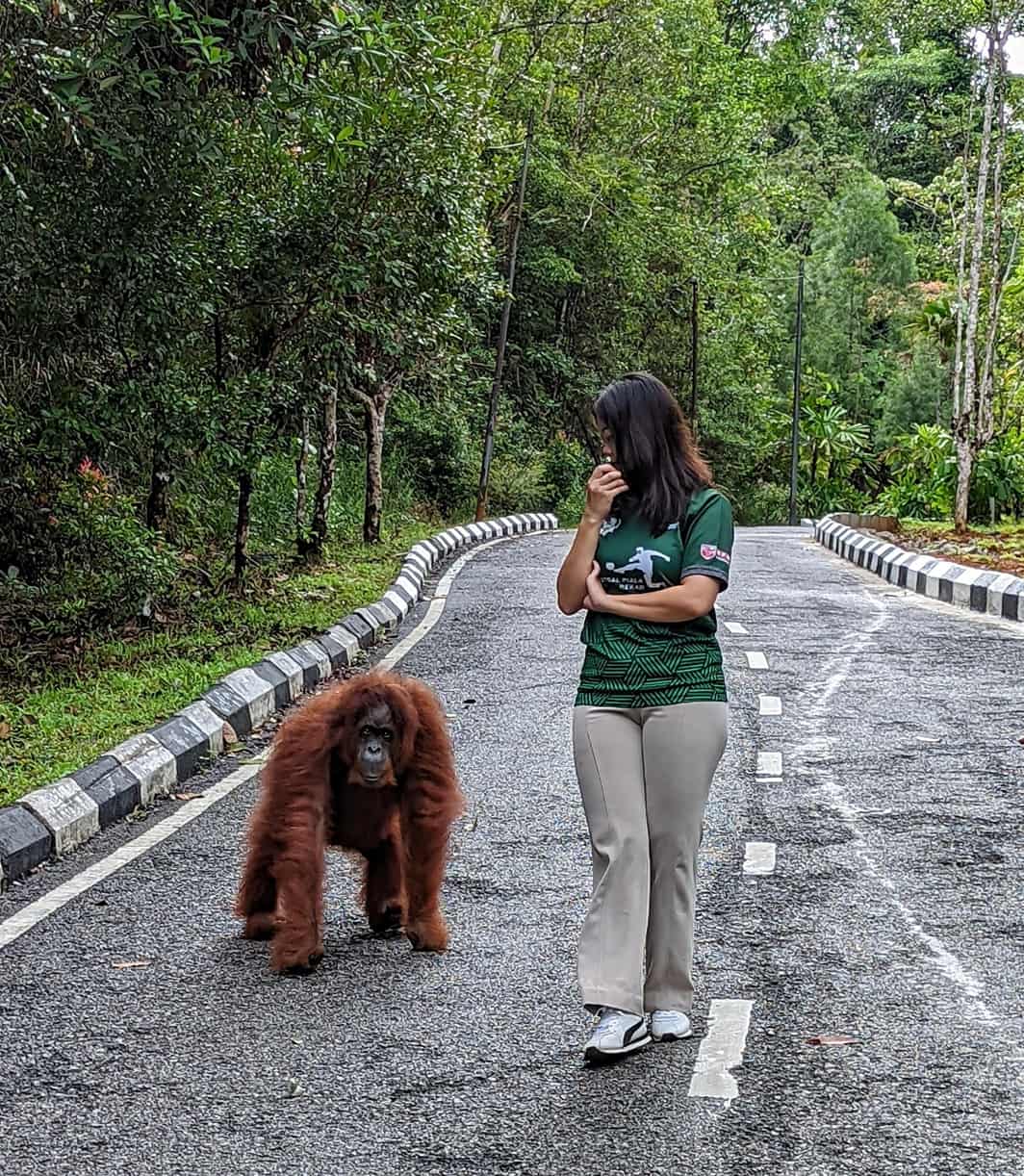
First-time visitors to Semenggoh Nature Reserve will get the most out of their trip by understanding the reserve’s seasonal patterns, arriving early, and setting realistic expectations about orangutan sightings. Since this is one of the most accessible places in Southeast Asia to observe orangutans in a semi-wild setting, a little preparation goes a long way toward a smooth visit.
Timing Your Visit Around Fruiting Season
Sightings vary significantly depending on the time of year, since orangutans naturally prefer wild fruit over the supplemental food offered at feeding sessions. The best chance of seeing orangutans comes outside fruiting season, roughly from April to October, while sightings become less frequent during the November-to-March fruiting period when wild food is abundant in the surrounding forest. Travelers planning a trip specifically to see orangutans should factor this seasonal window into their itinerary rather than assuming a sighting is guaranteed on any given day.
Arrive Early for the Best Spot
Since feeding sessions typically run just 30 minutes—from about 9:00 AM to 9:30 AM and 3:00 PM to 3:30 PM—and the area gets crowded, arriving well ahead of the scheduled time secures a better viewing position. Getting there before the crowds also increases the chance of catching early activity, since orangutans occasionally appear near the platform before the official feeding begins.
Manage Expectations About Sightings
It’s worth remembering that sightings are never guaranteed at Semenggoh, and this uncertainty is actually a positive sign of an ethical, non-captive reserve rather than a flaw. Unlike zoos or fully captive sanctuaries, the orangutans here roam freely through the forest and choose whether to visit the feeding platform, so some visitors leave without seeing any orangutans at all. Framing the visit as a wildlife-spotting experience rather than a guaranteed animal encounter helps first-timers avoid disappointment.
Accessibility and Suitability
Semenggoh is considered suitable for all ages, including children and elderly visitors, since the main trails are flat with minimal walking required to reach the primary viewing areas. Families visiting with young children or older relatives should still check current accessibility details in advance, as some walking between the entrance and platform is unavoidable regardless of fitness level.
Essential Packing and Preparation Tips
- Wear comfortable, closed-toe walking shoes since paths can be uneven or damp from rainforest humidity.
- Bring water and sun protection, as the reserve has limited shaded rest areas and refreshment options on-site.
- Carry cash for entrance fees and optional buggy rides, since not all payment methods are guaranteed to work at the gate.
- Bring a camera with zoom capability, since orangutans often stay higher in the canopy rather than at eye level.
- Check the current fruiting season calendar before booking your trip if orangutan sightings are your top priority.
Etiquette and Safety Guidelines
Visitors should maintain a respectful distance from the orangutans and follow all ranger instructions during the feeding session, since these animals are semi-wild and can behave unpredictably. Loud noises, flash photography, and attempts to feed or touch the animals are generally discouraged to protect both visitor safety and the rehabilitation program’s integrity. Staying on marked trails also helps preserve the reserve’s ecosystem and minimizes disturbance to the many other species living within its forest boundaries.
Common First-Timer Mistakes to Avoid
| Mistake | Why It Matters | Better Approach |
|---|
| Mistake | Why It Matters | Better Approach |
|---|---|---|
| Arriving right at feeding time | Missing the best viewing spots due to crowds | Arrive 20–30 min early |
| Visiting during peak fruiting season without flexibility | Lower odds of sightings | Visit April–October if possible |
| Expecting guaranteed sightings | Leads to disappointment | Treat it as genuine wildlife spotting, not a zoo |
| Skipping cash | Payment issues at gate | Bring RM in cash as backup |
| Ignoring ranger instructions | Safety risk with semi-wild animals | Follow briefing guidance closely |
Approaching Semenggoh with realistic expectations, seasonal awareness, and basic preparation transforms it from a simple photo stop into a genuinely memorable wildlife encounter, even on days when the orangutans decide to stay deeper in the forest.