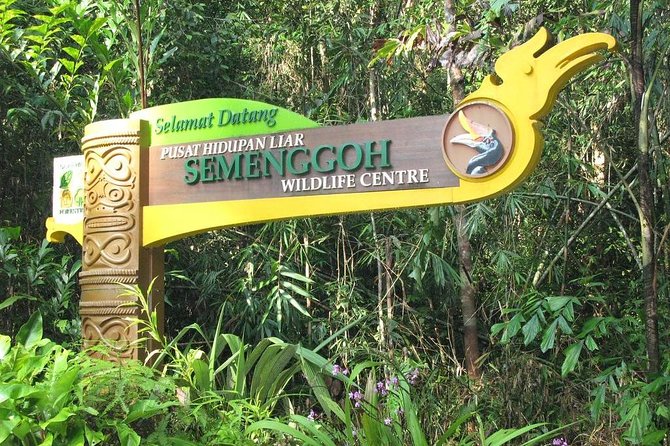
Semenggoh Wildlife Centre near Kuching, Malaysian Borneo, is one of the most extraordinary places on the planet to encounter semi-wild orangutans face-to-face. But like any truly wild experience, it comes with nuances, rules, and realities that first-time visitors are rarely prepared for. Going in informed means going in with the right expectations — and that dramatically improves your experience. Before you book your trip, here are 10 essential things every visitor needs to know about Semenggoh Wildlife Centre.
1. It’s Not a Zoo — And That Changes Everything
The single most important thing to understand about Semenggoh is that it is not a zoo. There are no enclosures, no cages, and no fences. The approximately 30–40 semi-wild orangutans living here roam freely across 650 hectares of protected rainforest and choose whether or not to appear at the feeding platform entirely on their own terms.
The centre was originally established in 1975 to rehabilitate orangutans that were orphaned, injured, or rescued from illegal captivity. Many were successfully released back into the forest, had offspring of their own, and those second and third-generation animals have now lived wild their entire lives. Semenggoh is no longer taking in new animals for rehabilitation — the population now maintains itself naturally within the protected reserve.
This wildness is what makes Semenggoh so special. But it also means that a sighting is never guaranteed. Adjust your expectations accordingly, and you’ll appreciate the experience far more than visitors who arrive expecting a guaranteed performance.
2. The Feeding Sessions Are Your Only Window
Semenggoh is open to visitors only during two daily sessions, which align with the orangutan feeding times:
- Morning session: Gates open 8:00 AM, feeding at 9:00 AM – 10:00 AM
- Afternoon session: Gates open 2:00 PM, feeding at 3:00 PM – 4:00 PM
The park is closed between sessions and after 4:00 PM. Late arrivals are not admitted, so punctuality is non-negotiable. Rangers enter the forest before feeding time and call the orangutans by name using practiced vocal signals. The good news is that one entrance ticket covers both sessions on the same day, meaning you can attend both if you want to maximize your chances of a sighting.
3. Sightings Are Likely — But Not in Fruiting Season
Your odds of seeing orangutans depend heavily on what season you visit:
- April to October (non-fruiting season): Wild fruit is scarce in the forest, so orangutans are highly motivated to visit the feeding platform. Sighting rates are excellent, and peak months like May and June can see up to 15 orangutans at once
- November to March (fruiting season): The forest is loaded with wild figs, rambutans, and other fruit, giving the orangutans little reason to descend. Some visitors see nothing; others get lucky
One travel writer visited twice during early February and saw zero orangutans on both trips. If you can only visit during fruiting season, attend both daily sessions and maintain flexible expectations. Even if the orangutans don’t show, the rainforest walk is spectacular in its own right.
4. Arrive Early — Really Early
Most visitors are told to arrive before feeding time, but the smarter advice is to arrive when the gates open — at 8:00 AM or 2:00 PM — not just 30 minutes before feeding. Orangutans sometimes descend from the trees near the headquarters building before feeding even begins, giving early arrivals a spontaneous, unplanned bonus encounter.
Arriving early also means you’ll be near the front of the group when rangers lead visitors to the feeding platform. Closer position equals better viewing angles and better photographs. Visitors who arrive at gate-open time often report 1.5 to 2 hours of quality orangutan interaction, compared to just one hour for those who arrive right at feeding time.
5. You Must Maintain a 5-Metre Safety Distance
While Semenggoh offers extraordinarily close encounters compared to most wildlife destinations, visitors are required by park rules to stay at least 5 metres from all orangutans at all times. Rangers enforce this strictly and will physically reposition visitors who get too close.
This rule exists for good reason. Orangutans are approximately seven times stronger than an adult human, and though generally gentle, they can be unpredictable — especially the dominant alpha male, Ritchie. Females with young babies can also be protective and reactive to sudden movements. Never attempt to touch, embrace, or take a selfie with an orangutan. These behaviors are strictly prohibited, carry fines, and more importantly, are genuinely dangerous.
6. Keep All Food and Bags Sealed and Invisible
This is one of the most overlooked but critical rules at Semenggoh. Orangutans are highly intelligent and have excellent eyesight — they will spot a banana, a snack bar, or even a water bottle from high in the canopy and swoop down to investigate.
Loose food in open bags or hands near the feeding area will attract unwanted — and potentially forceful — attention from animals powerful enough to tear open a backpack with ease. Store all food, drinks, and snacks completely inside a zipped bag before approaching the feeding area. Rangers will remind you during the safety briefing, but being prepared beforehand saves the stress of scrambling to comply.
7. The Safety Briefing Is Not Optional — and It’s Worth Listening To
Approximately five minutes before rangers lead the group to the feeding platform, they conduct a mandatory safety briefing covering behavior expectations, prohibited items, safe distances, and what to do if an orangutan approaches you. This briefing is brief but important. Pay attention.
Key rules covered include:
- Stay silent near the feeding area — loud voices and sudden noises deter orangutans
- Never point umbrellas, walking sticks, or camera tripods at the animals — objects that resemble weapons can provoke aggression
- Absolutely no flash photography
- Don’t rush away when rangers announce the session is ending — orangutans sometimes wander to the HQ area after the platform session, and patient visitors can catch a second
8. Don’t Rush Off When the Session “Ends”
Here’s an insider tip that most visitors miss: the experience doesn’t necessarily end when rangers announce the session is over. Tour groups and their guides often leave quickly to catch buses back to Kuching, but independent travelers who linger in the headquarters area are frequently rewarded.
Orangutans sometimes appear near the HQ building — wandering along the roof, swinging on nearby trees, or ambling across the entrance path — well after the official feeding session wraps up. Lone Planet notes that rangers may appear to be wrapping things up, but the orangutans often show up at HQ precisely when the crowds have thinned. Independent travelers who stay an extra 20–30 minutes often get the best encounters of the day.
9. Getting There Is Easier Than You Think
Semenggoh is one of the most accessible wildlife reserves in Malaysian Borneo, located just 24 km south of Kuching. Your main transport options are:borneoadventure
- Public bus (K6): Departs from Jalan Gartek in central Kuching, costs RM 4 one-way, takes about 45 minutes. Morning buses depart at 7:15 AM; afternoon buses at 1:00 PM. Return buses leave Semenggoh at the end of each session.
- Grab/rideshare: RM 23–35 one-way, approximately 25–30 minutes. The most flexible option for solo travelers.
- Organized tour: Half-day tours from Kuching include hotel pickup, guide, and entry fee for around RM 95–120 per person. Best for first-time visitors who want context and commentary.
Once inside the main gate, the headquarters area is a further 1.6 km along a paved road through the rainforest. You can walk it in about 20 minutes or pay RM 15 for the reserve’s electric buggy service.
10. Meet the Residents — Know Their Names
Part of what makes Semenggoh so special is that the orangutans here have names, histories, and personalities that rangers know intimately. Familiarizing yourself with the key residents before your visit transforms abstract animals into individuals:
- Ritchie — The dominant alpha male, easily identified by his large cheek flanges (called “pads”) and imposing size of approximately 140 kg. When Ritchie arrives, his food must be ready immediately to avoid provoking his displeasure — rangers radio ahead to warn staff of his approach.
- Seduku — The oldest female in the troupe, born in 1971, who has been at the reserve for decades and is considered the matriarch.
- Various mothers and infants — Female orangutans regularly appear with young babies clinging to their bodies, offering some of the most breathtaking wildlife photography in all of Borneo.
Rangers narrate the history and behavior of each animal as they appear, turning your visit into an educational experience as much as a wildlife one.
Semenggoh Wildlife Centre is one of those rare destinations that genuinely lives up to its reputation — but only if you come prepared. Understand that the orangutans are wild and free, respect the rules that protect both them and you, time your visit to the non-fruiting season when possible, and arrive early enough to experience the full session. Do all of this, and Semenggoh will give you one of the most moving wildlife encounters you’ll ever experience anywhere on earth.