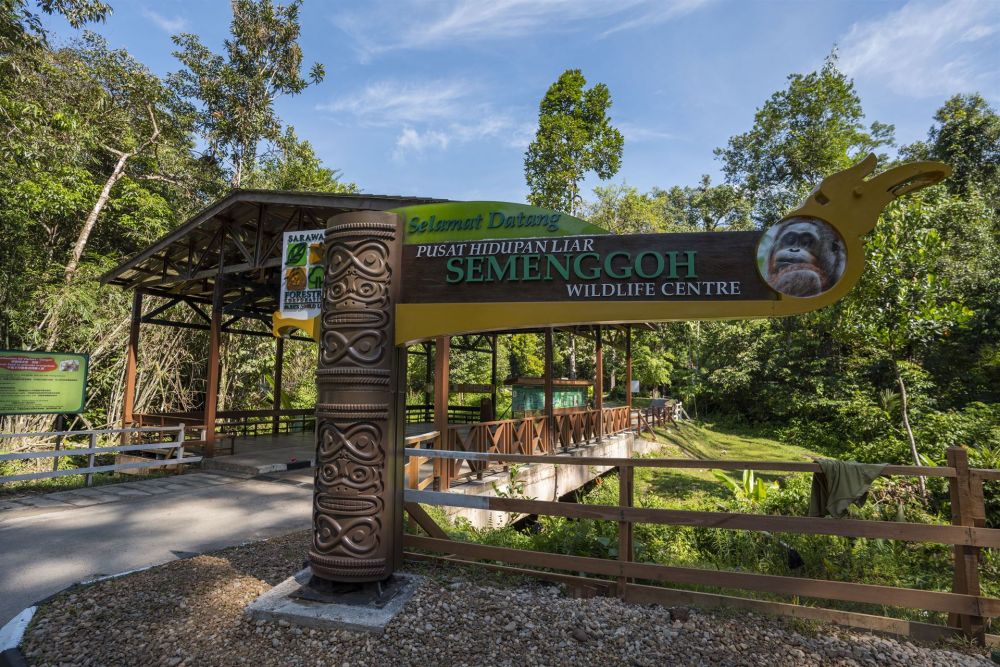
Both Semenggoh Wildlife Centre in Sarawak and Sepilok Orangutan Rehabilitation Centre in Sabah rank among the world’s premier places to see orangutans ethically. However, they serve different purposes, offer distinct experiences, and suit different traveler preferences. Here’s a comprehensive comparison to help you decide.
Quick Comparison Table
| Aspect | Semenggoh | Sepilok |
|---|---|---|
| Location | 30 km from Kuching, Sarawak | 25 km from Sandakan, Sabah |
| Established | 1975 | 1964 |
| Orangutan Population | 30-40 semi-wild, roaming freely | 60-80 semi-wild; ~25 nursery orangutans |
| Reserve Size | 653-740 hectares | 4,294 hectares (43 sq km) |
| Adult Ticket | RM 10 (foreign) | RM 30 |
| Feeding Times | 9:00 AM & 3:00 PM (2 hours each session) | 10:00 AM & 3:00 PM |
| Open Year-Round | Yes | Yes (365 days) |
| Visitor Facilities | Basic (info center, toilets, cafe) | Extensive (air-conditioned viewing area, restaurant, visitor center) |
| Crowd Levels | Quieter, less crowded | Busy, especially with tour groups |
| Accessibility from City | 30-45 minutes by taxi/Grab (RM 23-35) | 13 minutes from airport; 45 min from Sandakan |
1. Understanding Their Different Purposes
Semenggoh: Post-Rehabilitation Semi-Wild Living
Semenggoh ceased active rehabilitation in the 1990s and now functions as a long-term sanctuary for released orangutans and their offspring. The center maintains a protected forest where orangutans live with minimal human intervention, voluntarily returning for supplementary feedings.
Sepilok: Active Rehabilitation Center
Sepilok continues its original mission of rehabilitating orphaned and rescued orangutans before releasing them into the forest reserve. The facility includes nursery areas where young orangutans (approximately 25) are actively trained in survival skills before forest release.
This fundamental difference shapes the entire visitor experience.
2. Animal Independence and Behavior
Semenggoh: Genuine Independence
One of Semenggoh’s defining characteristics is that orangutans frequently skip feeding sessions, particularly during fruiting season when natural food is abundant in the forest. This demonstrates that these animals have retained genuine foraging abilities and prefer wild food sources. During fruiting season (November-March), sighting rates drop dramatically—some research shows only about 50% chance of seeing orangutans per visit.
Sepilok: Greater Human Dependency
Research indicates that Sepilok’s orangutans show greater dependency on human-provided meals. They’re more reliably present at feedings because the forest reserve’s food sources are insufficient to sustain the population independently. This means Sepilok offers more consistent viewing opportunities but also suggests animals are less capable of independent survival.
The Ethical Implication:
Conservationists who have evaluated both centers note that Semenggoh’s orangutans maintaining strong foraging abilities is actually a conservation success marker—it proves rehabilitation is working. The animals haven’t become conditioned to rely on humans.
3. Visitor Experience and Facilities
Semenggoh: Intimate, Rustic Jungle Experience
Semenggoh offers a simpler, more authentic wildlife experience. You walk a 15-20 minute jungle trail (or take a 5-minute electric buggy) to reach the feeding platform. Facilities include basic toilets, small cafe, and information center.
The Experience: More genuine contact with the rainforest environment, smaller crowds, and a sense of visiting an actual wildlife sanctuary rather than a tourist facility.
Visitors report being able to move freely, get excellent viewing positions without fighting crowds, and feeling closer to the orangutans.
Sepilok: Modern, Comfortable Infrastructure
Sepilok features extensive facilities: an air-conditioned observation room, restaurant, visitor center with educational displays, and wooden boardwalks throughout the reserve. The viewing platform accommodates 50+ people comfortably.
The Experience: More structured and comfortable, particularly valuable on hot or rainy days. Better educational resources and information.
However, travelers note this can feel more “zoo-like” despite being a sanctuary.
4. Visitor Crowds and Peak Times
Semenggoh: Generally Quieter
Semenggoh experiences lighter tourist traffic and is described as “less crowded” and “laid-back” compared to Sepilok. The reserve handles fewer visitors per day, creating more intimate encounters.
Sepilok: High Tourist Volume
Sepilok gets “exceptionally busy, especially with tour groups”. Travel writers note that “everyone else in Sabah will be making the same trip” to Sepilok. During peak season (July-August), crowds are particularly intense.
Advantage: Semenggoh for those seeking a quieter, more peaceful experience; Sepilok for those comfortable with busier tourist environments.
5. Orangutan Viewing Guarantees
Semenggoh: Less Predictable
Sightings vary dramatically by season. Outside fruiting season (April-October), you’re likely to see multiple orangutans. During fruiting season (November-March), sightings drop to approximately 50% likelihood per visit. The range of animals seen can be 0-15+ depending on season and luck.
Sepilok: More Reliable Sightings
Sepilok provides more consistent orangutan encounters. Visitors almost always see at least some orangutans at feeding times, either released animals at the platform or young ones in the nursery observation room.
Advantage: Sepilok if orangutan sighting is non-negotiable; Semenggoh if you’re flexible and accept wildlife observation’s inherent uncertainty.
6. Cost and Accessibility
Semenggoh: Budget-Friendly, Close to Kuching
- Entrance: RM 10 (foreign adults)
- Taxi from Kuching: RM 23-35 one-way
- Buggy service: RM 15 round trip
- Only 30 minutes from Kuching city center
Getting to Semenggoh is straightforward, affordable, and manageable as a half-day trip from Kuching.
Sepilok: Higher Cost, but Well-Connected
- Entrance: RM 30 (camera fee: RM 10 extra)
- Just 13 minutes from Sandakan Airport
- 45 minutes from Sandakan city center
- Abundant accommodation options nearby
Sepilok is more expensive but benefits from excellent transport links and more accommodation options.
Advantage: Semenggoh for budget travelers; Sepilok if arriving by air into Sandakan.
7. Best Times to Visit
Semenggoh: April-October (Non-Fruiting Season)
For maximum orangutan sightings, visit during dry season months when fruit is scarce in the forest. May and June are particularly exceptional, with potential to see 15+ orangutans.
Sepilok: Any Time (Year-Round Option)
Sepilok operates 365 days annually and provides reasonable sightings year-round. However, March-May and September-October offer the best combination of weather and orangutan activity.
Shared Challenge: Both centers have reduced sightings during fruiting season (June-August in some sources; November-March in others). Peak tourism season (July-August) brings crowds and high prices to both.
8. Educational Value and Conservation Research
Semenggoh: Conservation Success Story
Semenggoh’s population includes multiple generations of wild-born offspring, making it a living example of successful rehabilitation. The center conducts behavioral research and demonstrates that released orangutans can build sustainable populations.
Sepilok: Rescue and Rehabilitation Focus
Sepilok emphasizes immediate rescue work—over 100 orangutans have been successfully released since 1964. The center has active veterinary and rehabilitation programs for newly rescued animals.
Advantage: Semenggoh for understanding long-term conservation success; Sepilok for learning about rescue operations.
9. Nearby Attractions
Semenggoh Area (Sarawak):
Easily combined with visits to Sarawak Cultural Village, Bako National Park, Fairy Cave, and Kuching city attractions.
Sepilok Area (Sabah):
Can be paired with Bornean Sun Bear Conservation Centre (adjacent), Rainforest Discovery Centre, Labuk Bay Proboscis Monkey Sanctuary, and Kinabatangan River cruises for wildlife.
Sepilok offers more integrated wildlife sanctuary experiences within one area.
10. Accommodation and Lodging
Semenggoh:
No accommodation exists at or near Semenggoh. Visitors must stay in Kuching (30 minutes away) with abundant hotel options from budget to luxury.
Sepilok:
Multiple lodges within walking distance, including:
- Sepilok Nature Lodge (4.5 stars): Upscale jungle setting
- Sepilok Forest Edge Resort (4.2 stars): Family-friendly with pool
- Budget options: Basic jungle huts and backpacker lodges
Staying in Sepilok allows you to experience multiple attractions over 2-3 days.
11. Ethical Considerations Summary
Both Sanctuaries Are Ethical, but differ in approach:
Semenggoh Strengths:
- No cages or fences
- Orangutans retain foraging abilities
- Smaller, less intensive visitor management
- Animals genuinely wild in behavior
Sepilok Strengths:
- Active rescue and rehabilitation
- Structured visitor management prevents overcrowding
- Educational facilities teach conservation urgently
- Professional veterinary and care programs
Neither facility permits direct animal contact or inappropriate interaction, though Semenggoh maintains stricter distance standards.
Which Should You Choose?
Choose Semenggoh if you:
- Want a quieter, more intimate experience
- Are based in or visiting Kuching
- Have time flexibility regarding sightings (willing to accept 0 orangutans if visiting during fruiting season)
- Prefer authenticity over comfort
- Want to see genuinely wild, independent orangutans
- Have a limited budget
Choose Sepilok if you:
- Prioritize high probability of seeing orangutans
- Arrive via Sandakan airport
- Want extensive visitor amenities and air-conditioned viewing
- Plan a multi-day visit combining multiple sanctuaries
- Prefer educational infrastructure and structured experiences
- Want to support active rescue operations
Can You Visit Both?
Yes. Malaysian Borneo has domestic flights between Kuching and Sandakan (approximately 1 hour). Serious orangutan enthusiasts can combine both sanctuaries in a 4-5 day Borneo itinerary. This approach maximizes conservation exposure and increases chances of memorable encounters.
The choice ultimately depends on your priorities: Semenggoh excels at showing orangutans thriving independently in protected wild habitat, while Sepilok demonstrates the essential rescue and rehabilitation work that made that independence possible.