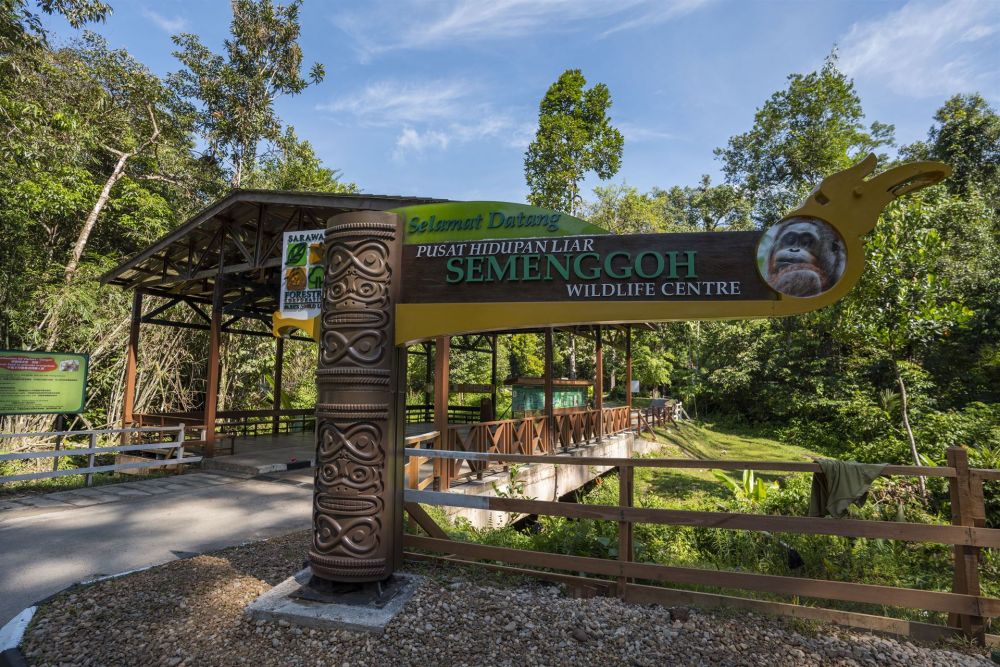
Semenggoh Wildlife Centre welcomes families with children and offers a truly memorable educational experience for all ages. However, successful family visits require understanding the reserve’s unique environment, setting realistic expectations about animal sightings, and preparing adequately for tropical rainforest conditions. Here’s everything parents need to know.
Is Semenggoh Suitable for Families?
The Short Answer: Yes, but with important caveats.
Families with children of varying ages successfully visit Semenggoh regularly. Parents report that seeing orangutans—particularly mothers with babies—creates an unforgettable childhood memory.
Successful family visit experience:
A family with a 5-year-old and 2.5-year-old visited twice (morning and afternoon sessions) and reported seeing multiple orangutans both times. The rangers’ engaging briefing, the semi-wild nature of the experience, and the chance to observe genuine animal behavior captivated the children. Parents emphasized the importance of explaining the reserve’s nature and behavioral expectations to children beforehand.
Age-Appropriate Suitability
Recommended Ages: 4-5 and Older
- Ages 0-3 (Toddlers): Possible but challenging. While physically manageable (buggy available for the 1.6 km walk), toddlers struggle with the quiet requirement and waiting periods. One parent noted: “No simply because you are advised to remain silent and it can be difficult for small children to do that”. However, another parent successfully brought a 2.5-year-old using a child carrier backpack, showing it’s achievable with proper preparation.
- Ages 4-7: Ideal age range. Children this age can understand the requirement for quiet behavior, manage the physical demands, and retain memories of the experience.
- Ages 8+: Excellent; children this age can fully appreciate the conservation lessons and animal observation.
- Teenagers: Engaging; particularly if interested in wildlife, photography, or conservation.
Physical Considerations by Age:
For young children (ages 2-5):
- The 1.6 km walk uphill from entrance to buggy drop-off is entirely optional—the electric buggy eliminates this entirely
- The path from buggy drop-off to feeding platform is short and manageable
- Combined waiting and observation time is approximately 1.5-2 hours per session
- Most young children can manage this duration if engaged and entertained
Safety Overview: What Parents Should Know
Immediate Threat Level: Very Low
The reserve maintains professional safety protocols. Rangers actively manage visitor behavior, orangutans maintain distance (not permitted to approach visitors closely), and the facility is continuously monitored.
Ranger Quote: “The nature reserve is being actively guarded by Rangers at all times so it is absolutely safe for young children and parents”.
Environmental Hazards: Manageable with Precautions
The primary hazards relate to tropical rainforest conditions rather than animal danger:
1. Insects and Mosquito-Borne Diseases
Dengue fever and malaria are present in Borneo, transmitted by mosquitoes.
Prevention Measures:
- Insect repellent: Apply 30-50% DEET to all exposed skin (except face, after age 2-3 months for young children; check with pediatrician for youngest infants)
- Protective clothing: Long sleeves and pants reduce exposure; lightweight, breathable fabrics manage heat
- Timing: Dengue-carrying mosquitoes bite primarily during daylight; malaria mosquitoes bite dusk to dawn. Morning and early afternoon visits minimize risk
- Clothing treatment: Permethrin-treated clothing provides additional protection
Realistic Risk: Dengue fever poses the greater risk (urban-area mosquitoes). Risk remains low for short-term visits if precautions are taken.
2. Heat and Humidity
The tropical environment reaches 30-33°C (86-91°F) with extremely high humidity.
Management:
- Adequate hydration: Bring 500-1000 ml of water per child, plus extra for refilling
- Frequent breaks at shaded areas
- Light, breathable clothing
- Hat or cap to protect head from sun during exposed walking areas
- Monitor children for heat exhaustion signs (excessive fatigue, dizziness, unusual quietness)
3. Uneven Terrain and Walking Difficulty
While trails are well-maintained, the rainforest environment has natural irregularities.
Considerations:
- The main walking paths are relatively level and paved in sections
- Some sections have gentle slopes but no steep climbs challenging for average fitness
- The 1.6 km walk to the buggy drop-off is optional; the buggy eliminates this entirely
- Proper footwear (see “What to Bring” section) is essential
4. Rain and Weather
Tropical downpours can occur suddenly, particularly during monsoon season (October-March).
Management:
- Lightweight rain jackets for each family member
- Waterproof bags for electronics and valuables
- Rain doesn’t eliminate sightings but makes them less likely (orangutans prefer drier weather)
- The reserve remains open in light rain; heavy storms may cause cancellations
Accessibility for Families with Mobility Challenges
Wheelchair Accessibility: Extensive
Semenggoh actively accommodates visitors with mobility challenges.
- Entrance to feeding platform: Most areas wheelchair accessible
- Electric buggy service: Highly recommended; operates continuously. The buggy accommodates wheelchairs (check specific seating configuration when booking)
- Paved walkways: Main routes are paved or well-maintained, facilitating wheelchair movement
- Accessible toilets: Available near entrance and at feeding area
Cost for Buggy with Mobility Challenges:
- Standard buggy fee: RM 15 (foreign visitors, round-trip)
- May be waived or reduced for disabled visitors; inquire at entrance
Stroller Considerations:
For families with young children in strollers:
- The buggy is generally preferable to pushing a stroller on uneven terrain
- If using a stroller, the paved walkway from entrance to buggy stop and from buggy drop-off to feeding platform is manageable
- Lightweight strollers handle better than heavy models on rainforest paths
Behavior Expectations and Teaching Your Children
The Paramount Requirement: Silence
Unlike typical zoos, Semenggoh’s semi-wild orangutans maintain heightened sensitivity to disturbances. Excessive noise causes them to avoid the feeding platform or retreat into the forest.
What This Means for Kids:
- Children must remain quiet during feeding times—no running, shouting, or disruptive noise
- Explaining this expectation beforehand proves critical
- Some children struggle with extended quiet periods (particularly young toddlers)
- One parent reported: “A child on our tour… was just happy and having fun and made noise as a result. People in the group were unhappy with him”
Preparation Strategy:
- Explain to children that orangutans are wild animals that get scared by loud noise
- Describe the “listening adventure”—they’re trying to hear the orangutans call and see them move
- Bring engaging but quiet activities (non-electronic: coloring books, sticker books, binoculars for observation)
- Practice “quiet sitting” at home before the trip
- Frame it as a special privilege—they’re allowed to see wild animals up close by being respectful
Distance Maintenance:
Children must understand they cannot touch, feed, or approach the orangutans.
- Maintain distance as directed by rangers
- The feeding platform separation (approximately 10 meters from orangutans) is actually advantageous—provides safety while allowing excellent viewing
- Explain: “These are wild animals that could hurt us if they felt threatened; the distance keeps everyone safe”
Realistic Sighting Expectations:
Critical to manage expectations or disappointment ensues.
- Explain that orangutans don’t always come to feedings, especially during fruiting season
- Describe it as similar to bird-watching—sometimes you see them, sometimes you don’t
- Frame waiting time as a learning experience—even without orangutan sightings, they’re experiencing a real rainforest
- One family reported seeing 2 orangutans in the morning and 6 in the afternoon—sighting numbers vary enormously
What to Pack for Family Visits
Essentials (Apply to All Visitors, Especially Important for Families):
Water and Hydration:
- Minimum 1-2 liters per child (refillable bottles appreciated)
- Sports drinks with electrolytes (in addition to water) for extended heat exposure
- Limit sugary drinks as they increase thirst
Protection from Elements:
- 50% DEET insect repellent (per family members)
- Lightweight rain jacket (pack-able into small sizes)
- Wide-brimmed hat or cap for sun protection
- Lightweight long pants (bugs can bite through thin fabric)
- Long-sleeve shirt or jacket (protects from sun and insects)
- Closed-toe walking shoes with good grip (no sandals)
Comfort Items for Waiting:
- Lightweight backpack for carrying essentials
- Binoculars for children (enhances observation engagement)
- Small snacks (energy bars, fruit) for between-session hunger
- Tissues and hand sanitizer
- Sunscreen (reapply frequently, especially on children)
Optional but Recommended:
- Camera or smartphone for photos (teaches children about documentation and memory-making)
- Small notebook for children to sketch orangutans or wildlife observations
- Lightweight sweater (visitor center air-conditioning can feel cold)
What NOT to Bring:
- Heavy luggage or large backpacks (cumbersome on trails)
- Full meals (light snacks only; reserve closes between feedings, limiting meal opportunities)
- Valuables or excessive cash (basic facilities lack secure storage)
- Loud toys or electronic devices with sound effects
Facilities for Families
Toilets:
- Available near entrance and at feeding platform area
- Quality varies; bring hand sanitizer
- Encourage children to use facilities before heading to feeding platform
Cafeteria/Refreshment:
- Basic cafe at feeding platform area offers light meals and beverages
- Quality and menu limited; reasonable prices
- Pre-packing snacks ensures variety and cost efficiency
Shade and Rest Areas:
- Benches throughout the reserve provide sitting areas
- Feeding platform has covered areas
- Between-session rest period (10 AM-2 PM) provides time for leisurely lunch
Changing Facilities:
- Limited; if young children require diaper changes, locate the most private area (consult with rangers)
Educational Value for Children
Beyond the orangutan encounter, Semenggoh offers profound educational benefits.
What Children Learn:
- Rainforest Ecology: Walking through 650 hectares of primary forest, children experience tropical biodiversity firsthand—towering trees, diverse bird calls, insect life, canopy structure
- Animal Behavior and Natural History: Rangers provide engaging commentary about orangutan behavior, diet, social structure, and intelligence. Children learn that orangutans aren’t just cute animals but complex social beings with individual personalities
- Conservation Imperative: Understanding that orangutans are endangered, their habitat is disappearing, and sanctuaries represent critical protection efforts. Children leave understanding why conservation matters
- Wildlife Observation and Patience: Learning that wildlife exists on its own terms, requiring patience, luck, and respect to observe. This contrasts sharply with entertainment-focused attractions
- Scientific Concepts: Discussing rehabilitation, habitat requirements, food chains, and adaptation to tropical environments in accessible, experience-based ways
Parental Teaching Opportunities:
- Use the feeding platform wait time to discuss conservation: “Where will these orangutans go if the rainforest disappears?”
- Observe the alpha male’s behavior and discuss primate social structures
- Discuss the mother-baby interaction in terms of parenting and animal reproduction
- Calculate distances and heights (“How far up in the tree is that orangutan?”)
- Compare the rainforest environment to the child’s home environment
Family-Specific Tips from Experienced Travelers
From Parents Who’ve Visited:
Tip 1: Use the Buggy
One family emphasized: “The buggy service is a great way to manage little legs on the walk to the feeding station”. It eliminates fatigue before the actual observation period, allowing children to be fresh and engaged at the feeding platform.
Tip 2: Visit Both Sessions When Possible
The family with young children specifically visited both morning (9 AM) and afternoon (3 PM) sessions. This doubled their chances of seeing orangutans and kept the children engaged for an extended nature experience.
Tip 3: Explain Everything Beforehand
That same family reported: “We had explained all this to our children beforehand, and they behaved really well”. Preparation dramatically improved the experience.
Tip 4: Bring Engagement Tools
While electronic devices should be silent, binoculars, notebooks, and simple observation activities keep children engaged during waiting periods.
Tip 5: Accept Realistic Outcomes
One parent summarized the philosophy: “Even if orangutans don’t appear, they’re experiencing a real rainforest and can discuss it as a learning experience”.
Health Considerations for Children
Pre-Visit Medical Preparation:
- Vaccinations: Ensure current on routine vaccinations (MMR, DTaP). Consult with pediatrician about Japanese encephalitis vaccination (some travel clinics recommend it for extended Borneo stays; single visits pose minimal risk)
- Malaria Prophylaxis: Discuss with pediatrician; most recommend it for Borneo travel. Medications vary by age and weight
- Traveler’s Diarrhea Prevention: Discuss with pediatrician; medications exist for prevention or rapid treatment
During-Visit Health Management:
- Monitor for heat exhaustion: Excessive sweating followed by cessation, dizziness, fatigue, unusual quietness
- Watch for mosquito bites: Insect repellent must be reapplied every 2-3 hours
- Ensure adequate hydration: Thirst often lags behind actual hydration need in tropical heat; encourage frequent small drinks
- Rest during midday closure (10 AM-2 PM) in climate-controlled accommodations
Weather Considerations by Season
April-October (Dry Season – RECOMMENDED):
- Lower rainfall; more comfortable conditions
- Better visibility and higher probability of orangutan sightings
- Moderate humidity; heat manageable
- Fewer mosquitoes (though still present)
November-March (Wet/Fruiting Season):
- Frequent rainstorms; sometimes intense
- Higher humidity
- Reduced orangutan sightings (animals forage independently)
- More mosquitoes
- For families, the dry season is significantly preferable
Special Considerations for Very Young Children
Children Ages 1-3:
Pros:
- Free or minimal entrance fee (children under 6 free)
- Can be carried in backpacks/carriers, eliminating walking fatigue
Cons:
- Cannot understand the quiet requirement
- May become fussy during waiting periods
- Diarrhea is common in tropical environments (bring appropriate medications)
Strategy:
If bringing a toddler, use a child carrier for the walk to the feeding platform. Position yourself at the back of the viewing area where the child’s noise is less disruptive. Plan for the possibility of leaving early if the child becomes upset.
Alternative: Many families choose to hire a babysitter to watch the youngest child at the hotel while parents visit with older children.
When NOT to Visit Semenggoh with Family
Consider skipping or rescheduling if:
- Your child struggles with quiet environments: If they have difficulty with sustained silence (some neurodivergent children, very young toddlers), the experience may be frustrating
- Extreme heat sensitivity: Some children have conditions making tropical heat dangerous; heat exhaustion risk is elevated
- Severe insect sensitivities or allergies: If your child has reactions to insect bites, the mosquito-heavy environment presents genuine risk
- Recent significant travel fatigue: The 2+ hour experience requires emotional and physical engagement; overly fatigued children often struggle
- Specific phobias: Fear of insects, enclosed rainforest spaces, or large animals might make the experience distressing
Final Recommendation
Semenggoh is genuinely family-friendly and offers an extraordinary wildlife experience for children ages 4 and older. With proper preparation—explaining expectations, managing behavior, packing appropriately, and managing heat/humidity—families report this as a highlight of their Malaysia trip.
The experience teaches children that conservation matters, that wild animals exist on their own terms, and that patience and respect are rewarded with magical moments. For families seeking meaningful nature experiences beyond typical tourist attractions, Semenggoh represents an excellent choice.